
Uterus Problems: Causes, Symptoms, Types, and Treatment
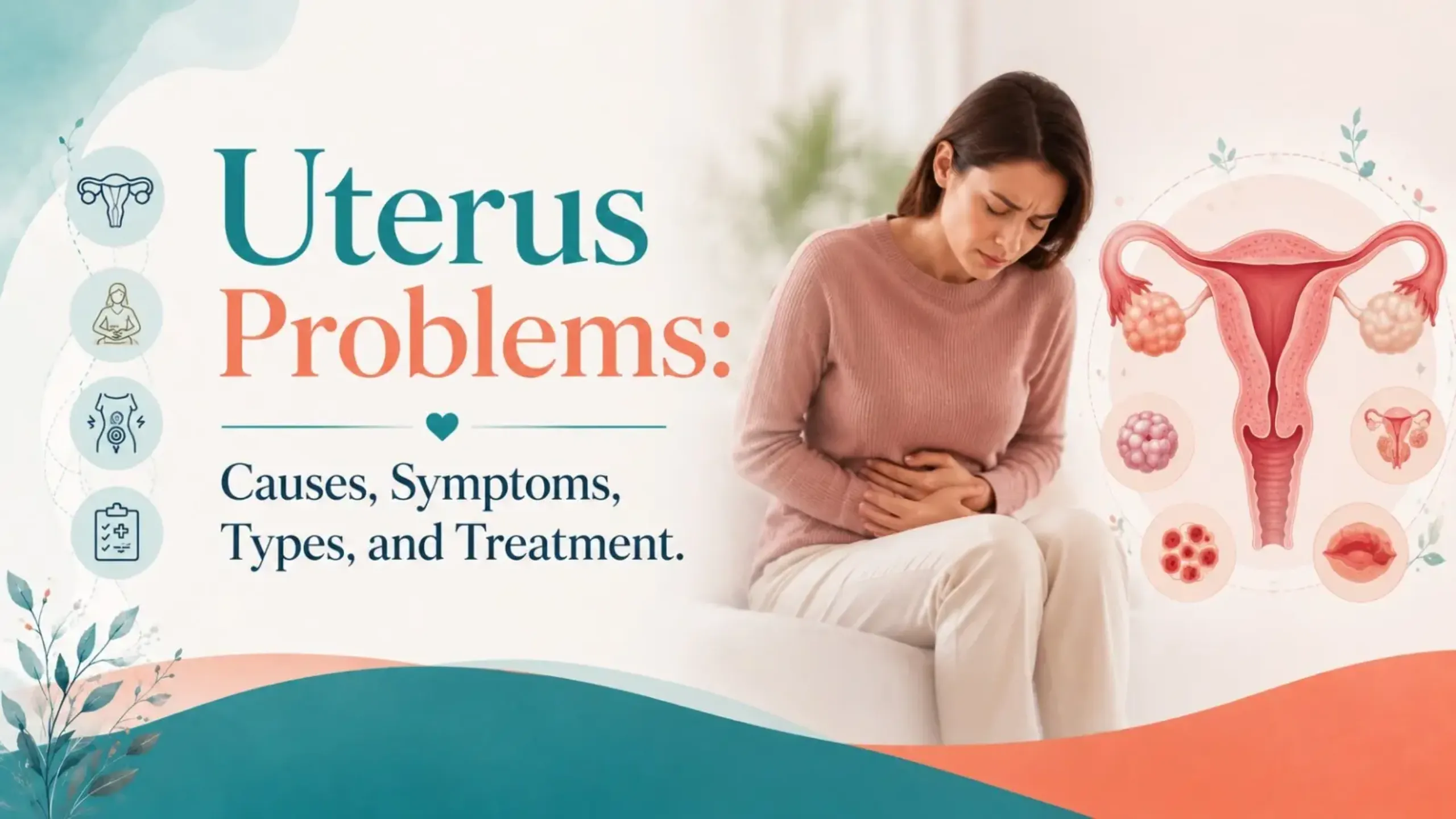
Uterus problems can affect women at different stages of life and may lead to symptoms such as pain, irregular menstrual cycles, or difficulty in getting pregnant. These conditions can develop for various reasons and may range from minor concerns to more serious health issues. In this blog, we will discuss uterus problems in detail, including their types, causes, symptoms, tests, and other important information to help you understand them better.
The uterus plays a key role in a woman’s reproductive health, and any issue related to it can impact overall well-being. While some uterus problems can be managed with simple care, others may require proper medical treatment. In the sections ahead, we will explain everything in an easy and clear manner so you can take informed decisions about your health.
What are Uterus Problems?
Uterus problems refer to conditions that affect the uterus, which is the organ responsible for supporting pregnancy. These problems can develop due to hormonal imbalances, infections, or abnormal growths such as fibroids or polyps. Women may experience symptoms like pelvic pain, heavy or irregular periods, or trouble getting pregnant.
Some uterus conditions are minor and easy to manage, while others can interfere with daily activities or fertility. Since these problems can occur at any stage of life, understanding them early is important for timely treatment and to avoid further health issues.
Factors That Increase the Risk of Uterus Issues
Uterus problems can develop for many reasons, and understanding their causes can help in early detection and timely treatment. Identifying the root cause also plays an important role in managing symptoms and preventing complications.
Common causes of uterus problems include:
- Hormonal changes, especially imbalances in estrogen and progesterone
- Genetic factors, such as a family history of uterine conditions
- Infections caused by bacteria or viruses that affect the uterus
- Unusual tissue growth, including fibroids, polyps, or adenomyosis
- Age-related changes, particularly around menopause
- Past surgeries or existing medical conditions involving the uterus
Common Symptoms of Uterus Problems
Uterus problems can show different signs, and the symptoms often depend on the specific condition involved. Paying attention to these changes at an early stage can help women seek timely medical care and reduce the risk of complications.
Common symptoms of uterus problems may include the following:
- Pain or discomfort in the lower abdomen or pelvic region
- Heavy, long-lasting, or painful menstrual periods
- Irregular cycles or bleeding between periods
- Discomfort or pain during sexual activity
- Trouble conceiving or fertility-related concerns
- Frequent need to urinate or pressure on the bladder
- Unusual vaginal discharge or a foul smell
Different Types of Uterus Problems
There are many types of uterus problems that can affect a woman’s overall health and ability to conceive. Understanding these conditions helps in recognizing symptoms early and seeking the right medical care on time.
Common types of uterus problems include:
- Fibroids: These are noncancerous lumps that develop in the uterus and may cause heavy periods, pelvic pain, or a feeling of pressure in the lower abdomen.
- Endometriosis: In this condition, tissue similar to the uterine lining grows outside the uterus, often leading to severe pain and fertility-related problems.
- Adenomyosis: This occurs when the inner lining of the uterus grows into the muscle layer, resulting in heavy and painful menstrual cycles.
- Uterine Polyps: Small, noncancerous growths that form inside the uterus and may cause irregular or abnormal bleeding.
- Uterine Infections: Infections affecting the uterus can lead to symptoms like pain, fever, or unusual vaginal discharge and usually require prompt medical treatment.
How Uterus Problems are Diagnosed
Diagnosing uterus problems usually involves a combination of medical history, physical examination, and specific tests to find the exact cause. Early diagnosis plays an important role in choosing the right treatment and reducing the risk of complications.
Common methods used to diagnose uterus problems include:
- Pelvic Exam: The doctor examines the uterus to check its size, shape, and any noticeable changes.
- Ultrasound: This test uses sound waves to produce images of the uterus and helps detect fibroids, polyps, or other abnormalities.
- MRI Scan: It provides detailed pictures of the uterus and is useful for identifying complex or serious conditions.
- Blood Tests: These help assess hormone levels and check for signs of infection or other health issues.
- Hysteroscopy: A thin, lighted instrument is inserted into the uterus to closely examine its inner lining.
- Biopsy: A small sample of uterine tissue may be collected to look for infections or abnormal cells.
Treatment Options for Uterus Problems
Treatment for uterus problems varies based on the type of condition, how severe it is, and whether the woman plans to have children in the future. While some issues can be managed with basic care or medication, others may need medical procedures or surgery for proper treatment.
Common treatment options for uterus problems include:
- Medications: Medicines such as pain relievers, hormonal treatments, or drugs to manage heavy menstrual bleeding.
- Lifestyle Modifications: Healthy eating, regular exercise, and stress reduction to support uterine and overall health.
- Minimally Invasive Treatments: Procedures like hysteroscopy or laparoscopy to remove small fibroids or polyps with minimal recovery time.
- Surgical Options: Procedures such as myomectomy to remove fibroids or damaged tissue while keeping the uterus intact.
- Treatment for Infections: Antibiotics or other prescribed medicines to clear uterine infections effectively.
- Fertility Care: Special treatments and guidance for women who face difficulty getting pregnant due to uterus-related issues.
Uterus Problems and Pregnancy Complications
Uterus problems can sometimes increase the chances of complications during pregnancy because the uterus plays a key role in supporting the baby’s growth. The type of problem, its size, and how well it is managed can affect pregnancy outcomes. With proper medical care, many women are still able to have a safe and healthy pregnancy, but awareness of possible risks is important.
Possible pregnancy complications linked to uterus problems may include:
- Difficulty in implantation of the fertilized egg
- Higher risk of early pregnancy loss
- Preterm labor or early delivery
- Limited space for the baby to grow properly
- Abnormal position of the baby before delivery
- Increased pelvic pain or bleeding during pregnancy
Closing Words
Uterus problems can affect a woman’s health, fertility, and pregnancy journey in many ways. In this blog, we have explained what uterus problems are, their common causes, symptoms, types, diagnosis, treatment options, and how they may impact pregnancy. Understanding these aspects can help women to notice early signs, seek timely medical care, and make better decisions about their reproductive health.
It is important to speak openly about uterine health and not ignore persistent symptoms. Paying attention to your body, consulting a doctor when needed, and following proper treatment can help manage uterus problems effectively and support long-term well-being.
Frequently Asked Questions (FAQs)
- Can uterus problems be treated without surgery?
Some uterus problems can be managed with medicines, lifestyle changes, or minimally invasive procedures. Surgery is usually suggested only when other treatments do not help.
- Is pregnancy safe with uterus problems?
Many women with uterus problems have healthy pregnancies, but close medical monitoring is often needed to reduce risks.
- Can diet affect uterus health?
Yes, a balanced diet rich in fruits, vegetables, whole grains, and lean proteins can help maintain hormonal balance and support overall uterine health. Avoiding processed foods and excessive sugar is also beneficial.
- How much water should I drink for a healthy uterus?
Staying well-hydrated supports overall blood flow and hormone balance. Drinking at least 6–8 glasses of water daily is generally recommended unless your doctor advises otherwise.