
Immunological Infertility: What It Is and How to Treat It
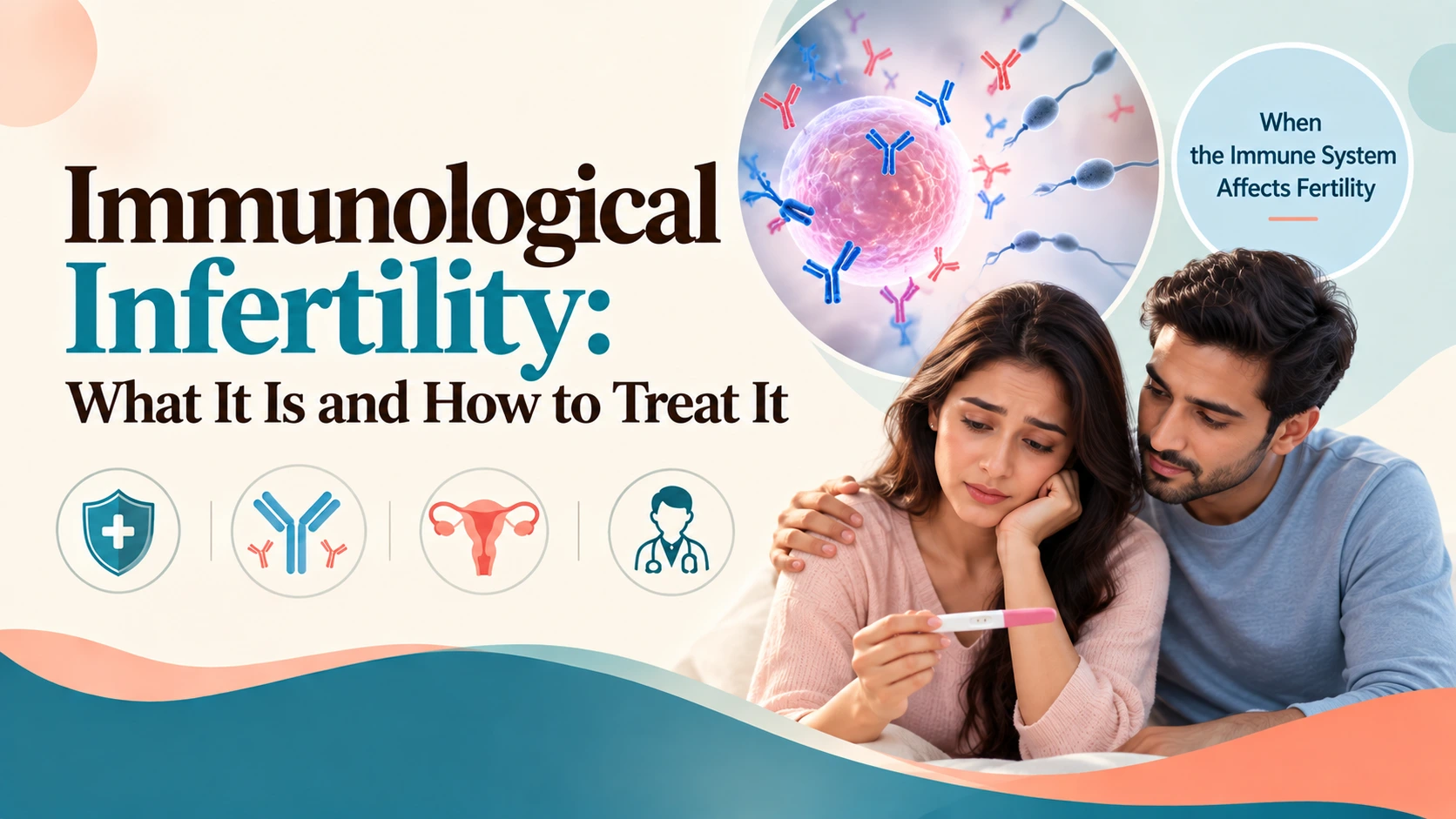
Blog Overview:
In this blog, we explain immunological infertility, including what happens when the immune system interferes with conception, the different types of immune-related fertility problems in both men and women, how it is diagnosed, what treatment options are available, and why it is often missed in standard fertility investigations.
When couples struggle to conceive and all the standard tests come back normal. Sperm count looks fine, ovulation is happening, tubes are open but it can feel like a mystery. One explanation that is increasingly being investigated is immunological infertility. It is not the most commonly discussed cause of fertility problems, but it is far more significant than most people realise.
This blog explains what immunological infertility actually is, how it can affect both men and women, and what can be done about it.
What Is Immunological Infertility?
Immunological infertility occurs when the body’s own immune system interferes with the process of conception or early pregnancy.
The immune system is designed to protect the body from foreign invaders, including bacteria, viruses, and other threats. But sometimes, it mistakenly targets components of the reproductive process itself. It may produce antibodies against sperm, against the egg’s outer layer, against the embryo, or against the uterine lining. When this happens, conception becomes difficult or impossible even when everything else appears to be working normally.
According to a comprehensive review published in the journal Biomolecules in December 2025, from an immunological perspective, infertility encompasses not only fertilisation failures but also implantation failures and both early and late pregnancy loss. This means immunological infertility is not just about whether sperm reaches the egg but it can also affect whether a fertilised embryo successfully implants and develops.
Various antibodies may appear, such as antisperm antibodies or antibodies against the egg’s zona pellucida, which hinder reproductive processes.
Types of Immunological Infertility
Immunological infertility takes different forms depending on which part of the reproductive process is affected and in which partner.
Antisperm Antibodies (The Most Common Type)
This is the most well-studied form of immunological infertility. Antisperm antibodies are proteins produced by the immune system that bind to sperm either in the man’s body or in the woman’s body.
In men:
The blood-testis barrier normally prevents sperm from coming into contact with the immune system. When this barrier is disrupted through injury, infection, surgery, varicocele, or testicular torsion, the immune system is exposed to sperm and may produce antibodies against them. These antibodies can bind to the sperm’s head or tail, impairing their movement, causing them to clump together, and preventing them from penetrating the egg.
In women:
Women can also develop antisperm antibodies in their blood, cervical mucus, or uterine fluid. When present in cervical mucus, antisperm antibodies disrupt the interaction of sperm with the mucus, preventing sperm from advancing into the uterus. In women with unexplained infertility, antisperm antibody activity has been detected in cervical mucus in more than 10% of cases.
Anti-Zona Pellucida Antibodies
The zona pellucida is the protective outer layer of the egg. Antibodies against this layer can prevent sperm from penetrating the egg, blocking fertilisation even when sperm count and motility appear normal.
Antiphospholipid Antibodies
These antibodies can cause micro blood clots in the developing placental blood vessels by starving the early pregnancy of oxygen and nutrients. This is a recognised cause of recurrent miscarriage and implantation failure.
Elevated Natural Killer Cell Activity
Natural killer cells play a role in the immune response in the uterus. When they are overactive, they may attack the implanting embryo, leading to failed implantation or early pregnancy loss.
Who Is at Risk of Immunological Infertility?
Immunological infertility issues typically stem from an intricate combination of systemic autoimmune conditions, prior pelvic infections, chronic localised tissue inflammation, and genetic predispositions.
Specific risk factors include:
- Previous genital infections — sexually transmitted infections, pelvic inflammatory disease, or chronic cervicitis
- Endometriosis — which can trigger immune responses in and around the uterus
- Varicocele in men — which can disrupt the blood-testis barrier
- Previous testicular surgery or injury
- Autoimmune conditions — such as thyroid disease, lupus, or antiphospholipid syndrome
- Unexplained recurrent miscarriage — where immune factors are increasingly being investigated
How Is Immunological Infertility Diagnosed?
Diagnosing immune-related reproductive obstacles requires comprehensive specialised blood panels and sophisticated laboratory assays.
Here is a summary of the key tests used:
| Test | What It Checks |
| MAR Test (Mixed Agglutination Reaction) | Detects antisperm antibodies on sperm surface |
| Antisperm Antibody Blood Test | Measures antibodies in blood serum |
| Cervical Mucus Antisperm Antibody Test | Checks for antibodies in cervical mucus |
| Antiphospholipid Antibody Panel | Screens for clotting-related antibodies |
| Antinuclear Antibody (ANA) Test | Screens for systemic autoimmune activity |
| Natural Killer Cell Activity Test | Measures immune cell activity in the uterus |
| Transvaginal Ultrasound | Evaluates uterine lining and blood flow |
Immunological infertility is probable if more than 50% of sperm are bound to IgG or IgA antibodies, and may be suspected if more than 10% of sperm are antibody-bound.
⚠️ Important Note: These tests require specialist interpretation. Do not attempt to self-diagnose or self-treat based on test results alone. Immunological infertility is a complex area of reproductive medicine, so always work with a qualified fertility specialist who can properly evaluate your full picture.
Treatment Options for Immunological Infertility
Treatment approaches are carefully customised based on specific diagnostic markers and individual patient profiles.
IUI — Intrauterine Insemination
For cases of antisperm antibodies, IUI can help by delivering washed sperm directly into the uterus — bypassing the cervical mucus where antibodies may be present. The reported average success rate for IUI in couples with male factor antisperm antibodies is 20%. It may provide some benefit but does not fully address the underlying immune issue.
ICSI — Intracytoplasmic Sperm Injection
ICSI is currently the accepted advanced ART treatment for men with high levels of antisperm antibodies. By injecting a single sperm directly into the egg in the laboratory, it completely bypasses the need for sperm to travel through the female reproductive tract and removes the opportunity for antibodies to interfere with the fertilisation process.
IVF with ICSI
For couples where immunological infertility is contributing to failed fertilisation or poor embryo development, IVF with ICSI is often the most effective option. It allows the entire fertilisation process to happen in a controlled laboratory environment, completely separate from the immune environment of the body.
Immunomodulatory Therapy
Treatment options include immunomodulatory therapy, hormone replacement therapy, and lifestyle interventions. In some cases particularly for women with elevated natural killer cell activity or antiphospholipid antibodies, medications such as low-dose aspirin, low molecular weight heparin, or corticosteroids may be used. These treatments aim to modulate the immune response and improve the environment for implantation.
Lifestyle and Stress Reduction
Engaging in stress reduction practices such as gentle yoga, mindfulness meditation, and regular low-impact exercise has been suggested as a supportive measure though this is complementary to medical treatment, not a replacement for it.
Why Immunological Infertility Is Often Missed
Immunological infertility often goes undetected for a long time because it does not show up on standard fertility tests. A semen analysis may look perfectly normal even when antisperm antibodies are present. Hormone levels may be balanced. Tubes may be open. And yet pregnancy does not happen.
This is why immunological factors are increasingly being included in extended diagnostic pathways particularly for couples with unexplained infertility, repeated IVF failures, or recurrent miscarriage. If you are in this situation and immunological causes have not been investigated, it is worth asking your fertility specialist whether immune testing is appropriate for your case.
Final Thoughts
Immunological infertility is a real and increasingly recognised contributor to fertility problems in both men and women. It is not a fringe diagnosis, it is backed by a growing body of peer-reviewed research from major medical journals. And crucially, it is treatable. Options ranging from IUI to ICSI to immunomodulatory therapy give couples with this diagnosis real, effective paths forward.
The key is getting the right diagnosis. If standard investigations have not explained why pregnancy is not happening and particularly if you have experienced repeated IVF failures or miscarriages then immune testing is worth discussing with your fertility specialist. Understanding immunological infertility is the first step toward finding the right solution.
Frequently asked questions (FAQs)
- Can immunological infertility be cured?
It cannot always be fully cured, but it can be effectively managed.
- Can antisperm antibodies affect men and women equally?
Yes. Both men and women can develop antisperm antibodies, though the causes differ.
- Is immunological infertility common?
It is more common than many people realise. Antisperm antibodies have been detected in the cervical mucus of over 10% of women with unexplained infertility.
- Do standard fertility tests detect immunological infertility?
No, not usually. Standard semen analysis and hormone panels do not screen for antisperm antibodies or other immune factors.
- Is ICSI the best treatment for immunological infertility?
ICSI is currently the most effective assisted reproductive treatment for couples where antisperm antibodies are significantly affecting fertilisation.